Key Safe: Functions, Code & Security
Key safe for businesses: Manage keys securely with code and audit logging. Models, standards, integration with access control.

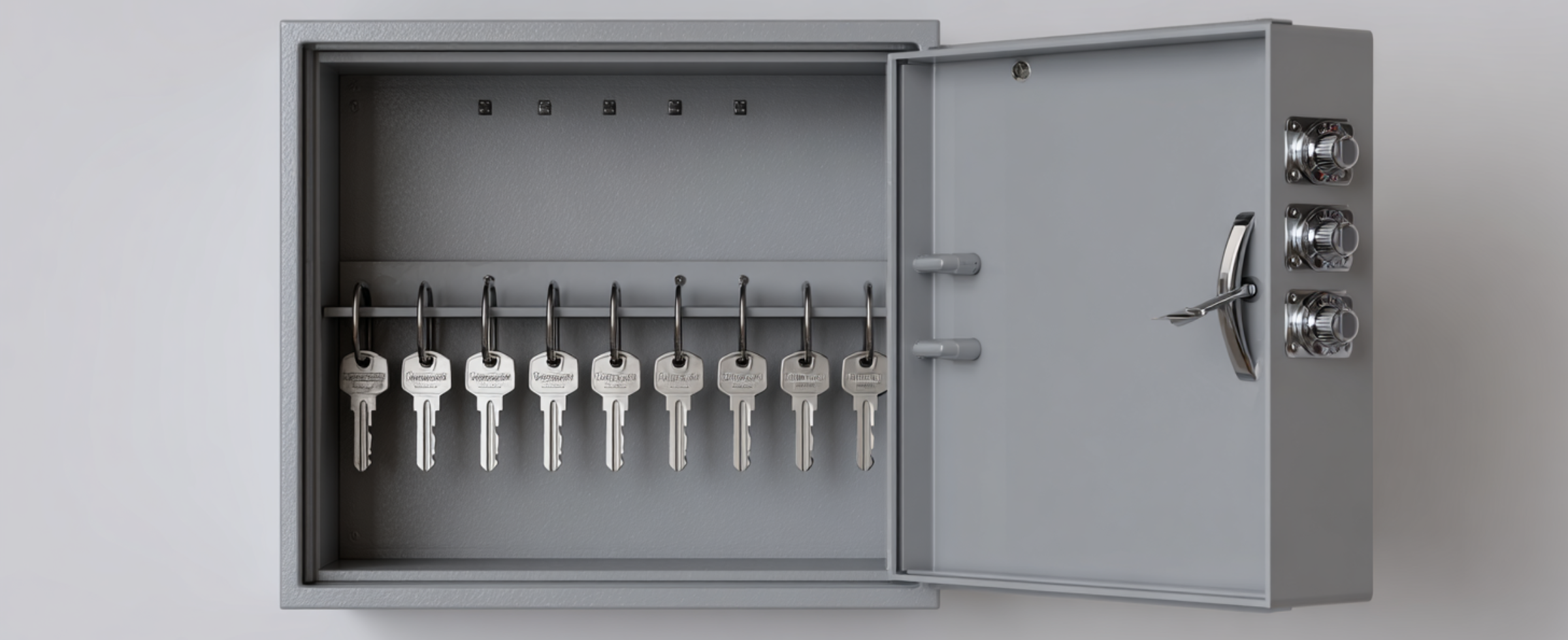
A key safe is a specially secured storage container designed for the safekeeping of keys and can be used both indoors and outdoors. These robust security containers allow authorized individuals controlled access to important keys, whether for emergencies, service work, or daily use in companies, public institutions, and residential complexes. Modern key safes feature various opening mechanisms such as mechanical combination locks, electronic codes, or digital access systems, offering a flexible alternative to traditional key handovers.
Functionality and Construction of Modern Key Safes
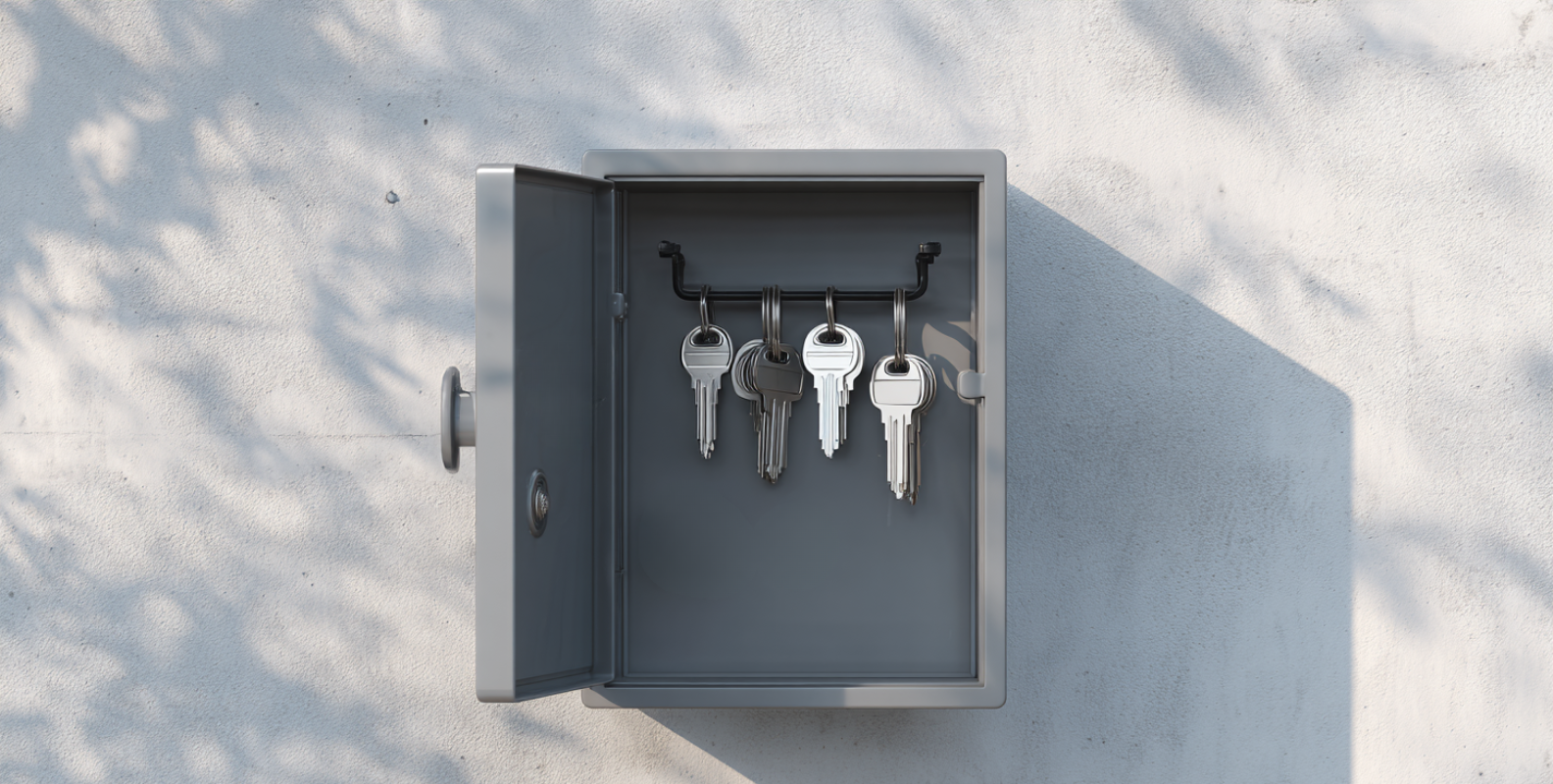
The construction of a key safe is based on several layers of security to ensure optimal protection. The robust housing typically consists of hardened steel or special alloys that withstand attempts at forced entry. Inside, hooks or compartments provide organized storage for multiple keys or key rings.
The locking technology varies significantly depending on the model and security requirements. While simple mechanical models are equipped with a combination lock, modern systems have electronic components that enable access logging. This digital traceability is particularly relevant for companies that need to document their security processes.
Key safes play a central role in the integration of existing security concepts. They act as a link between mechanical and digital locking systems, allowing traditional keys to be securely integrated into modern access control systems. By combining them with electronic management systems, access permissions can be controlled flexibly and adjusted as needed.
Use Cases and Application Scenarios
The versatility of key safes is reflected in their numerous applications. In companies, they are used for the safe storage of master keys that may only be used by authorized personnel. Facility management companies use them to grant cleaning staff or technicians time-limited access to buildings without having to be on-site.
In healthcare, key safes have become an indispensable component. Nursing services use them to gain quick access to patients’ homes in emergencies. The fire brigade can gain entry to buildings without delay in the event of a fire via special fire brigade key depots. These standardized systems are subject to strict regulations and must comply with specific DIN standards.
Key safes also prove to be a practical solution in the hotel industry and vacation rentals. Guests can arrive independently of reception hours and retrieve their key from the safe. This not only increases flexibility for both sides but also significantly reduces staffing requirements.
Key Safe for Outdoor Use: Special Requirements for Exterior Installation
Installing a key safe outdoors presents particular challenges that must be considered during selection and installation. Weather resistance is the central criterion. The safe must withstand rain, snow, UV radiation, and temperature fluctuations for years without impairing functionality or security.
Models designed for outdoor installation feature special seals and coatings to prevent moisture ingress. The materials used are corrosion-resistant, and the locking mechanisms are protected against freezing. Proper installation is crucial. Ideally, the safe is anchored into solid masonry with special security screws or embedded in concrete.
The placement of the outdoor key safe should be chosen strategically. On the one hand, it must be easily accessible to authorized persons; on the other hand, it should not be too exposed. A certain degree of privacy, for example through structural elements or landscaping, can increase security without restricting accessibility. Many companies opt to position it near surveillance cameras to provide additional security.
It is also important to consider insurance aspects. Not all insurers accept every key safe as an adequate security measure. Before installation, you should therefore check your insurer’s requirements and, if necessary, choose a certified model that meets the required standards.
Key Safe with Code: Digital Access Control in Detail
Modern key safes with code functionality are revolutionizing how companies and institutions organize their key management. These electronic systems offer decisive advantages over mechanical combination locks, which are particularly valued in professional environments.
In high-quality models, code management is handled via central software that enables the assignment of individual access codes for different users or user groups. Time-limited codes can be created for tradespeople or delivery personnel and automatically expire after a set period. Permanent codes for employees can be changed or deactivated at any time, an enormous security advantage over physical keys.
The logging function of electronic key safes provides transparency and traceability. Each access is recorded with the date, time, and the code used. These audit trails are valuable not only for security analysis but also for fulfilling compliance-related documentation obligations as required in many industries.
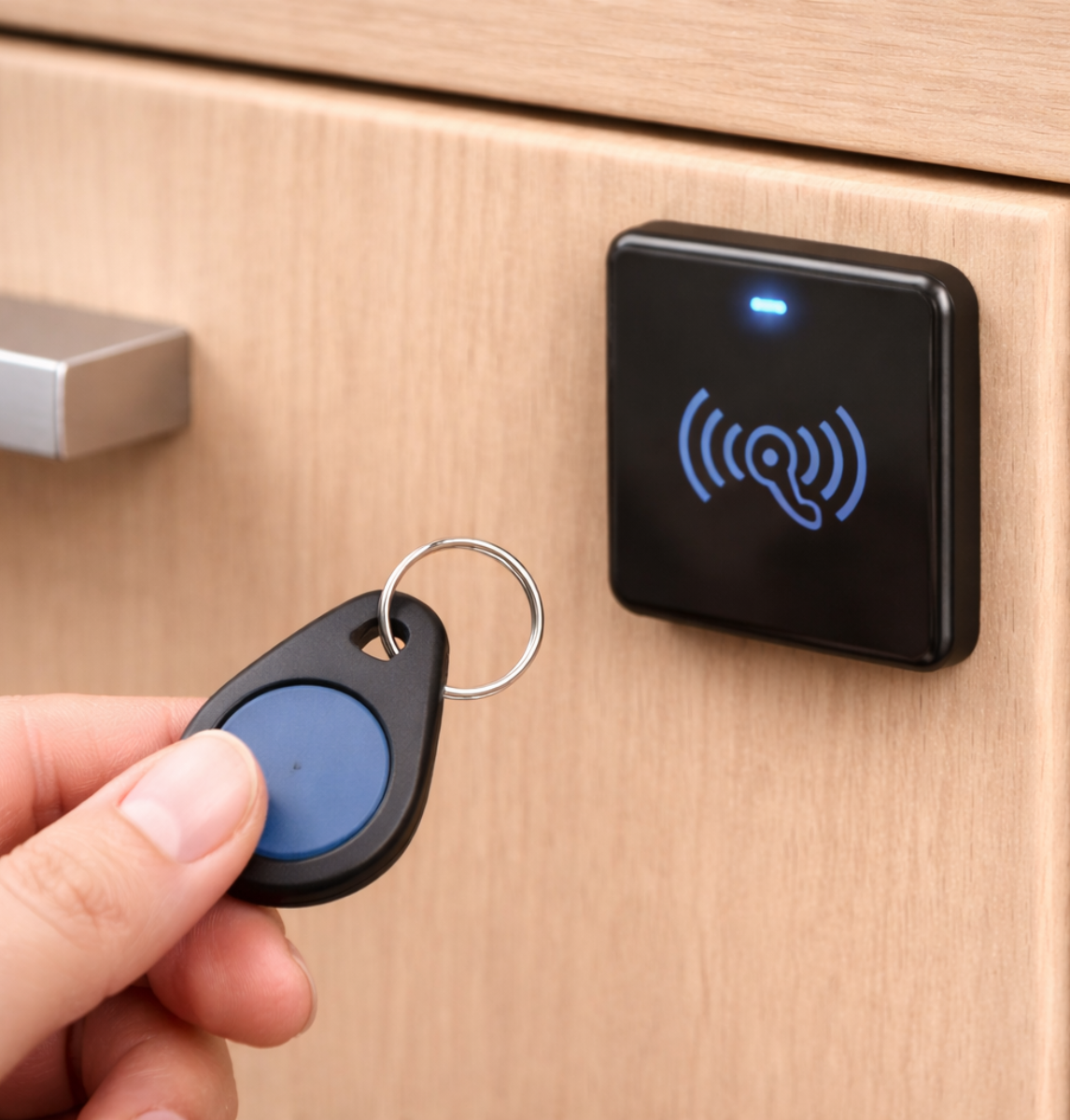
Particularly advanced systems can be integrated into existing access control systems. Connecting to enterprise software enables centralized management of access rights and synchronization with other security systems. For example, the same access cards used for doors in the building can also be enabled for the key safe.
Key Safe Emergency Opening: Safety Mechanisms for Critical Situations
Emergency opening of a key safe is a critical aspect that should be considered at the time of purchase. Various scenarios may necessitate an emergency opening: forgotten codes, technical defects, dead batteries in electronic systems, or loss of the main key in mechanical models.
Professional key safes offer multiple levels of emergency opening. Electronic models often include a mechanical emergency lock as a backup, which can be opened with a special emergency key. This key should be stored in a separate, likewise secured location, ideally with a trusted person or in a second safe.
Many modern systems also offer a master code function. This overarching code is assigned only to selected executives or security officers and allows access in emergencies even when individual codes have been blocked or forgotten. Use of the master code is logged in particular detail to prevent misuse.
For absolute emergencies in which none of the intended opening methods work, a professional safe opening by specialists is necessary. Reputable providers work only with appropriate proof of ownership and document the process thoroughly. The costs for such an emergency opening can be considerable depending on the model and effort involved, which is why preventive measures such as redundant access options are economically sensible.
Security Aspects and Certifications
The security of a key safe is determined by various factors that go beyond sheer material thickness. Certifications according to European standards, such as EN 1143-1 or VdS classes, provide information about actual burglary resistance. These standards consider not only resistance to mechanical attacks but also the quality of the locks and overall construction.
When selecting a model, you should look for tested security features. These include reinforced hinges, multi-point locking mechanisms, and tamper protection for electronic components. High-quality models feature drill-resistant plates and hardened steel bolts that withstand common break-in tools.
Regular maintenance significantly contributes to lasting security. Mechanical components should be lubricated, electronic systems checked for updates, and batteries replaced in good time. A maintenance plan with fixed intervals ensures the key safe is always ready for use and secure.
Integration into Digital Locking Systems
The future of key management lies in the seamless integration of different security systems. Modern key safes can be integrated as components into comprehensive digital locking systems and managed via central management platforms. This networking creates synergies and increases both security and ease of use.
Cloud-based management systems make it possible to administer key safes from anywhere. Access permissions can be adjusted in real time, logs can be analyzed, and alerts triggered in the event of unauthorized access attempts. Integration into existing IT infrastructures is achieved via standardized interfaces and APIs.
Particularly innovative are systems that combine biometric authentication with traditional key storage. Fingerprint scanners or facial recognition significantly increase security and make codes or cards unnecessary. At the same time, flexibility is retained to create temporary access for external service providers when needed.
Economic Considerations and Investment Planning
Purchasing a key safe should be viewed as an investment in corporate security. Costs vary considerably depending on size, features, and security level. Simple mechanical models are available from a few hundred euros, while professional electronic systems with extensive management functions can cost several thousand euros.
When calculating cost-effectiveness, you should consider not only purchase costs but also ongoing operating costs and potential savings. Reducing key losses, saving labor time through more efficient processes, and avoiding security incidents can quickly amortize the investment.
Many companies underestimate the hidden costs of insecure key management. A single security incident due to lost or stolen keys can cause significant consequential costs, from replacing locks to possible compensation claims and reputational damage.
Conclusion: The Key Safe as a Building Block of Modern Security Concepts
Key safes have evolved from simple storage boxes into intelligent security components that make an important contribution to building security. The choice of the right system depends on individual requirements, security needs, and budgetary constraints. Modern digital solutions offer clear advantages in terms of flexibility, traceability, and integration into existing security infrastructures.
For companies and institutions looking to professionalize their key management, a comprehensive needs analysis is recommended. Seek advice from security experts on which solution best fits your requirements. BlueID offers innovative digital locking systems that can be seamlessly combined with modern key safe solutions. Schedule a consultation appointment today and find out how to take your access control to the next level.
Frequently Asked Questions (FAQ)
How much does a high-quality key safe cost?
The price range for key safes is wide, from around 150 euros for simple mechanical models to several thousand euros for professional electronic systems with extensive management functions. Your investment should be based on your specific security requirements and the value of the assets to be protected.
How secure are key safes with an electronic code?
Electronic key safes with a code provide a very high level of security when properly installed and regularly maintained. It is important to choose a certified model, change codes regularly, and use sufficiently complex access codes. The logging function further increases security through traceability.
What insurance requirements apply to key safes?
Requirements vary depending on the insurer and policy. In general, insurers accept key safes from a certain security level (usually VdS Class 1 or higher) as adequate protection. Clarify which specifications are required with your insurer before purchasing.
How often should a key safe be serviced?
Annual maintenance is recommended for most models. For electronic systems, regular software updates should also be performed and batteries replaced in good time. Mechanical locks benefit from lubricating moving parts every six months.
Can I retrofit a key safe in an existing building?
Yes, retrofitting is usually straightforward. Proper installation at a suitable location with a sufficiently load-bearing substrate is important. When integrating into existing security systems, you should choose compatible models or seek advice from professionals.