Locking the front door at night: Security vs. fire protection – what you need to know
Locking the front door at night: Rules, risks, solutions


Locking the front door at night is a contentious topic that concerns tenants, landlords, and property managers alike. While some focus on enhanced burglary protection, others warn of dangers in the event of a fire. The decision whether you should lock your front door at night depends on various legal, safety-related, and insurance factors. Modern digital locking systems now offer intelligent solutions that optimally combine both security and escape-route functions.
The eternal conflict: Burglary protection vs. fire safety regulations
The question of locking the front door at night has divided opinions for decades. On one side is the legitimate need for residents to protect themselves against intruders. Statistics show that a locked front door does in fact provide an important first barrier against unwanted visitors. On the other side, fire departments and fire safety experts urge caution: in an emergency, locked doors can become a deadly trap.
This issue is especially relevant in apartment buildings, where the main entrance serves as a shared escape route. Conflicting interests collide here: ground-floor residents often feel unsafe when the front door is left unlocked, while tenants on upper floors rely on unobstructed escape routes.
Legal basics and tenancy law
The legal situation regarding locking at night is complex and not uniformly regulated. As a rule, there is no nationwide legal obligation to lock or to leave the front door unlocked at night. The decision primarily rests with the property owner or the owners’ association.
Corresponding rules may be set out in rental agreements or house rules, but they must comply with building regulations. Particularly relevant are the state building codes, which define requirements for rescue routes. In North Rhine-Westphalia, for example, doors on escape routes must be able to open from the inside at any time without tools.
Should you lock the front door at night? A nuanced view
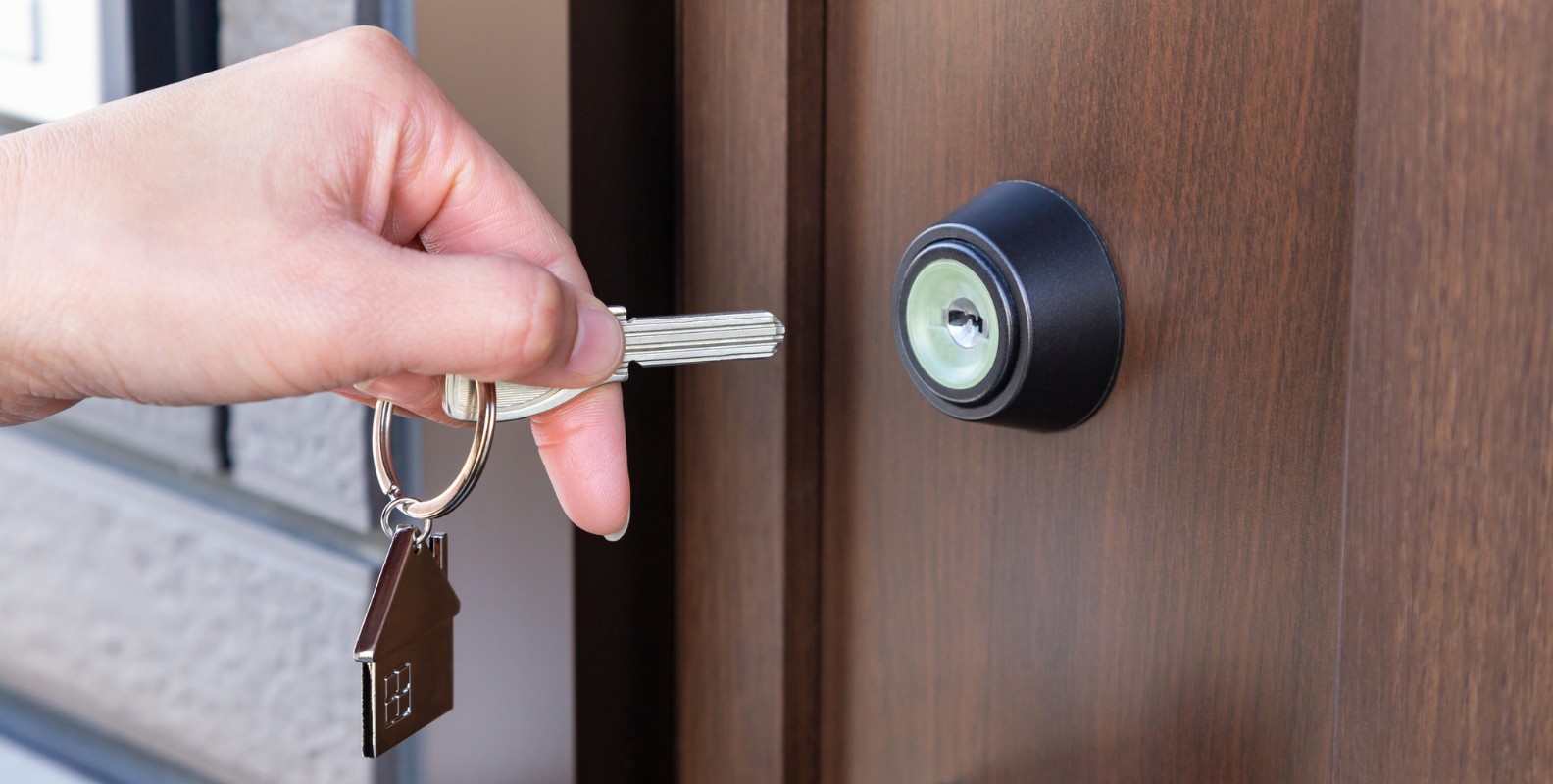
The answer depends on several factors. In single-family homes, you as the owner are free to decide based on your own sense of security. Here, the advantages of burglary protection often prevail, as you have direct access to the key in an emergency.
In multifamily buildings, the situation is more complex. Many property managers and landlords prefer not to lock the main entrance at night to ensure a safe escape route for all residents in case of fire. This practice is explicitly recommended by fire departments and fire safety experts. The risk of losing orientation in smoke and not finding the key is real and can have fatal consequences.
Technical alternatives for optimal security
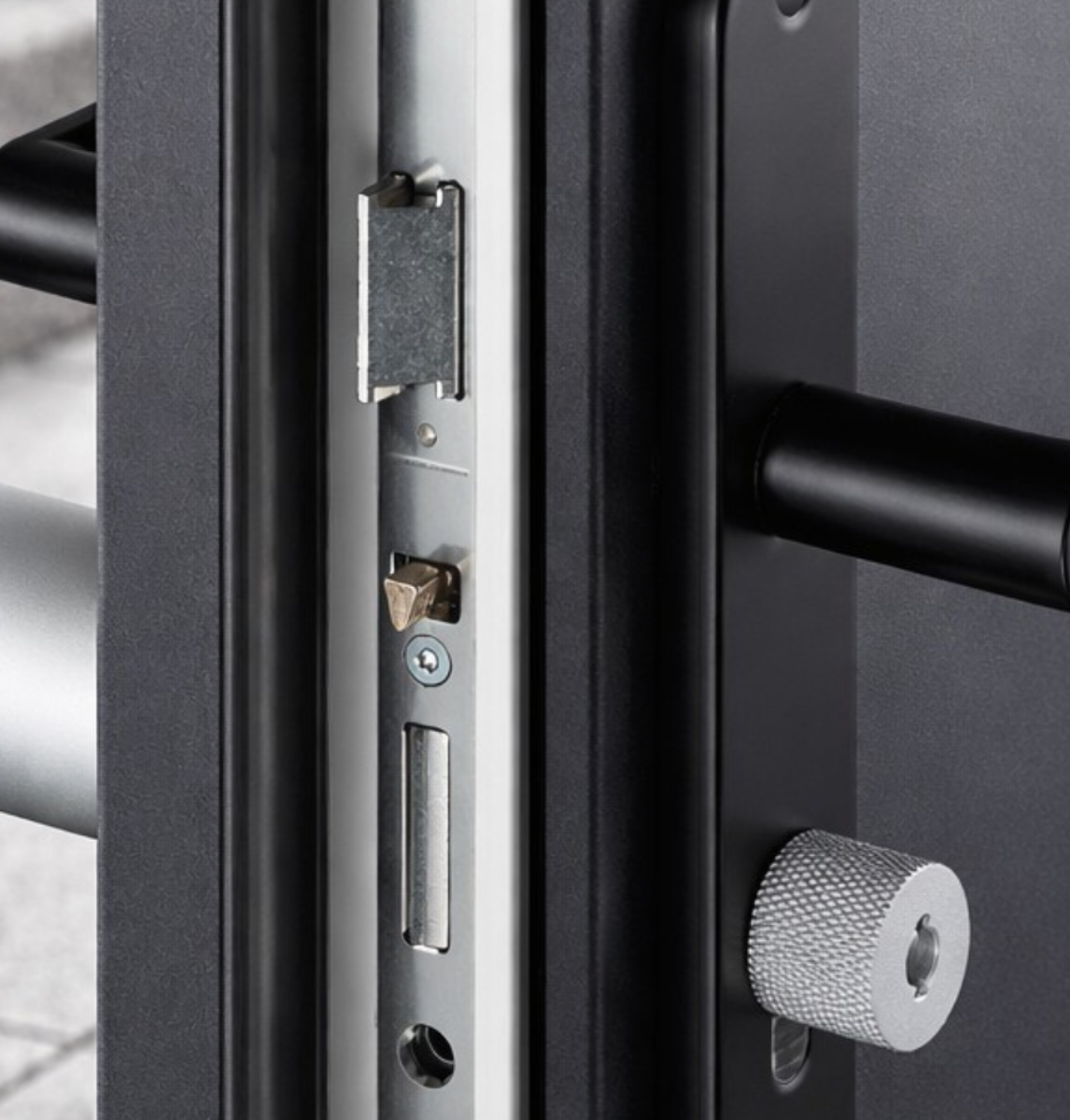
Modern technology offers solutions that resolve the apparent contradiction between burglary protection and fire safety. Electronic locking systems with panic function ensure that the door can only be opened from the outside with authorization, while it can be opened from the inside at any time without a key.
Self-locking doors with anti-panic function close automatically and provide permanent burglary protection. In an emergency, however, they can be opened from the inside simply by pressing the door handle. These systems meet the requirements of DIN EN 179 for emergency exit devices, providing legal certainty.
Locking the front door at night and insurance: What you need to know
The question of locking the front door at night also has significant insurance implications. Many home contents insurance policies define clear requirements for securing the residence. Insurers often differentiate between “closed” and “locked with a key.”
A door that is merely pulled shut (on the latch) is usually not considered adequately secured from an insurance perspective. In the event of a loss, the insurer could reduce or even refuse benefits if the apartment door was not properly locked. However, this primarily concerns your individual apartment door, not the building’s main entrance.
Insurance coverage in detail
Most insurers require apartment doors to be locked when you are away. At night, when you are at home, other rules usually apply. In most cases, it is sufficient if the door is closed and you are present. The main entrance of a multifamily building generally does not fall under these obligations.
Important to know: If a tenant violates a contractual agreement to lock the front door at night and this results in a burglary loss for other tenants, liability may be considered. Such cases are rare and legally disputed.
Digital locking systems as a modern solution
Digitization is also revolutionizing building security. Electronic access systems now offer functions that mechanical systems cannot. They combine maximum convenience with high security while meeting all fire safety requirements.
Intelligent access control systems log every entry and allow time-based management of access rights. In this way, main entrance doors can automatically switch to a nighttime security mode that prevents unauthorized access while maintaining the escape-route function.
Key benefits of digital solutions at a glance
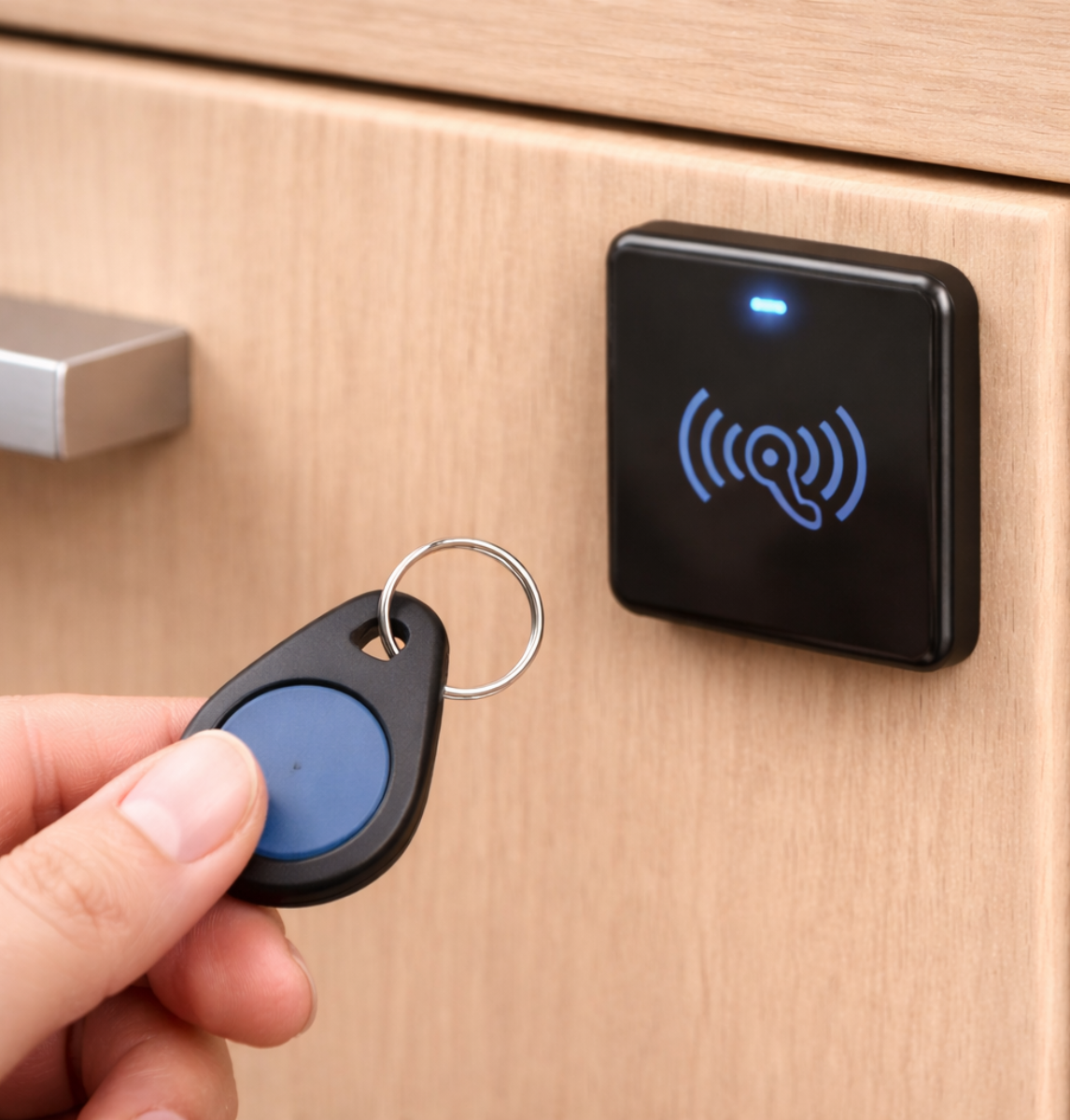
Modern digital locking systems offer numerous advantages over conventional locks. Access control can be managed via transponders, smartphone apps, or biometric features. Lost credentials can be blocked immediately, without having to replace locks.
Especially in multifamily buildings, these systems enable differentiated assignment of rights. Residents receive permanent access, while service providers can be granted access only at specific times. Integrating escape door control ensures that in an emergency, all doors automatically unlock or can be opened from the inside without tools.
Practical recommendations for different living situations
Depending on your living situation, different recommendations apply to nighttime door security. In single-family homes, you can decide freely as the owner. Here, locking the front door is advisable, combined with keeping keys easily accessible in case of emergency.
In multifamily buildings, you should follow the house rules. If no such rules exist, it is wise to raise the topic at the owners’ meeting or with the property management. A unified solution that considers all safety aspects is ideal.
Checklist for optimal security
To maximize safety in your living environment, keep the following in mind:
Your own apartment door should always be properly secured, at night, if you are present, simply pulling it shut usually suffices. Install a peephole or intercom to identify visitors. Ensure good lighting at the entrance, ideally with motion sensors.
Review your insurance conditions and document safety measures. If in doubt, contact your insurer directly. In multifamily buildings, learn about escape routes and keep them clear.
Innovative technologies for the future
The future of main entrance security lies in intelligent, connected systems. Smart home technologies enable the integration of locking systems into comprehensive security concepts. Cameras, motion sensors, and access control work hand in hand.
Particularly promising are adaptive systems that adjust their behavior to the situation. During the day, they allow free access for residents and authorized visitors. At night, they automatically switch to a security mode. In the event of a fire alarm or other emergencies, all doors unlock automatically.
Conclusion: Intelligently combining security and fire protection
There is no one-size-fits-all answer to whether you should lock your front door at night. The optimal solution depends on your individual living situation, the building’s characteristics, and the legal framework. Modern digital locking systems, however, now provide options that were once unthinkable.
Instead of choosing between burglary protection and fire safety, intelligent access solutions enable both: maximum protection against unauthorized entry while ensuring safe escape routes. Investing in a modern locking system can pay off multiple times—through increased security, improved insurance protection, and, not least, a stronger sense of safety.
Would you like to learn more about digital locking solutions that optimally combine security and fire protection? Contact us for a non-binding consultation and discover how modern access control can make your building safer and more convenient.
Frequently asked questions
Is it mandatory to lock the front door at night?
No, there is no legal obligation to lock the front door at night. The rule lies with the property owner and can be set out in the house rules. Fire safety regulations must be observed.
What does home contents insurance say about locking the front door?
Home contents insurance primarily refers to your apartment door, not the main entrance of the building. When you are away, the apartment door must be locked with a key; at night when you are present, closing it is usually sufficient.
Can the landlord prohibit locking the front door at night?
Yes, the landlord can stipulate in the house rules that the front door may not be locked at night. This usually serves fire safety and the assurance of escape routes.
What are the alternatives to a traditional key?
Modern alternatives include electronic locking systems with transponders, smartphone apps, or biometric access. These can be equipped with panic functions and meet all safety requirements.
Who is liable if a burglary occurs through an unlocked front door?
Liability is complex and depends on the individual case. As a rule, each resident is responsible for their own apartment. Liability for losses suffered by other tenants exists only in exceptional cases.